Amazon, Seattle, & the Planet
The reality is that Seattle is failing to meet its targets–even though there is now consensus that those targets were inadequately bold.



The reality is that Seattle is failing to meet its targets–even though there is now consensus that those targets were inadequately bold.
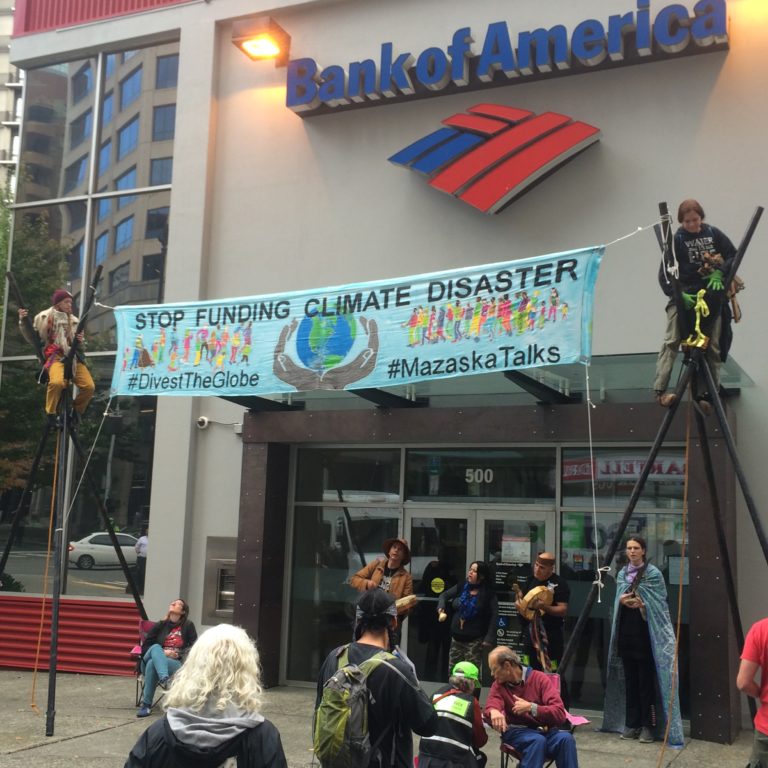
With actions in over 60 cities, 10 countries and 4 continents, it was the largest-ever protest of bank investment in fossil fuels

When I came to 350 Seattle and began focusing on the relationship between trade and climate in the proposed Trans-Pacific Partnership (TPP), I noticed that trade agreements themselves are intersectional; they involve not just climate, but also worker rights, immigrant rights, food sovereignty, and, of course, the abuse of corporate power.

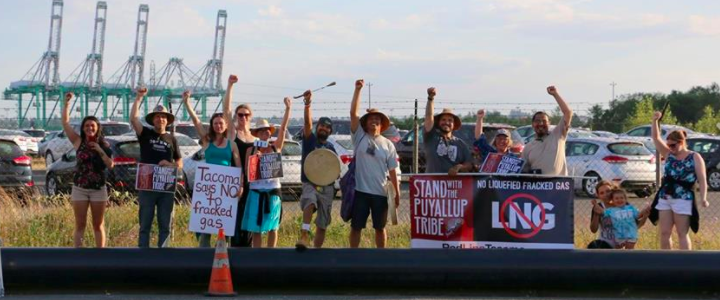
This afternoon, people up and down Western Washington gathered outside 13 different PSE offices to demand that the company stop pushing fracked gas, abandon its Tacoma LNG plans, shut down the dirty Colstrip coal power plant in Montana (the dirtiest in the US), and move immediately to 100% renewable energy.

When Harvey first formed in the Caribbean, we tried to stay abreast of every development–knowing how badly frontline communities were being hit, and how long and difficult the recovery would likely be.
Local wildfires, a monster hurricane season — the impacts of a warmer climate are obvious. So there’s your motivation. And here’s, oh, just a few ways to take action:
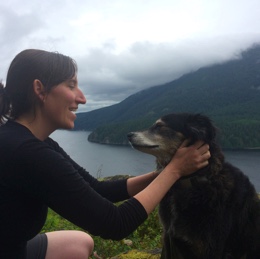
I knew something was wrong when I could smell the ocean. And every step I took on “dry” ground made crickets jump out of the way. As the river waters rose rapidly, overtaking the nearby hay field and destroying all the bridges into the town, I started to get nervous. I’d never seen waters rise so fast.
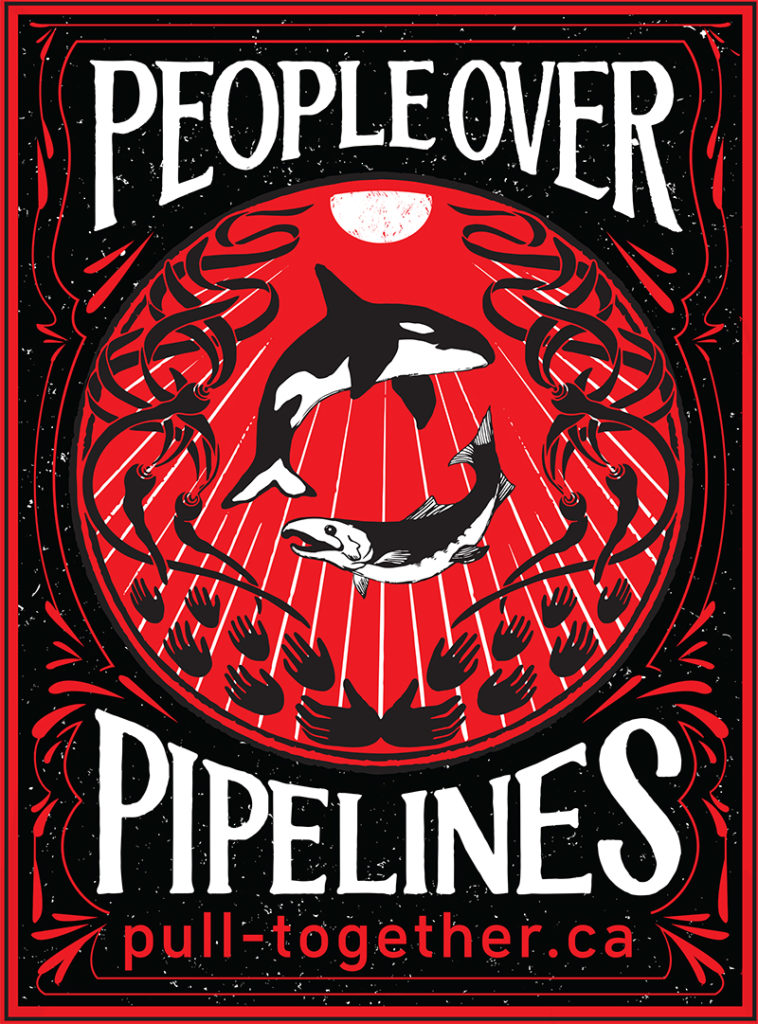
Has the B.C. wildfire haze been dogging your summer days? Ours too, and it breaks our hearts to see the world burning, which is why we’re glad for some… BIG NEWS FROM BC
Think of it this way: the carbon pricing initiative is a big step forward–but for bold strides and real progress, we need to use the other foot, too.
As May 8th turned into May 9th, I sat in a holding cell watching police officers shuffle papers and stride slowly through the booking facility of King County Jail.